
Ask someone what the shortest verse in the Bible is, and there’s a pretty good chance they’ll answer:
“Jesus wept.” — John 11:35
It’s one of those little pieces of Bible trivia many of us learned somewhere along the way.
Two words.
Jesus wept.
Hard to get much shorter than that.
But there’s an interesting question we rarely ask:
What happens when we stop counting the English words and go back to the language in which the New Testament was originally written?
The New Testament was written in Greek, and some of its verses are remarkably short.
So I decided to take a look at the UBS Greek New Testament and rank the ten shortest verses by the number of Greek letters they contain.
Some are simply fragments of larger conversations.
Others contain enormous truths packed into just a handful of words.
And yes—
“Jesus wept” made the list.
But where?
Here are the ten shortest verses in the Greek New Testament, counting down from #10 to #1.
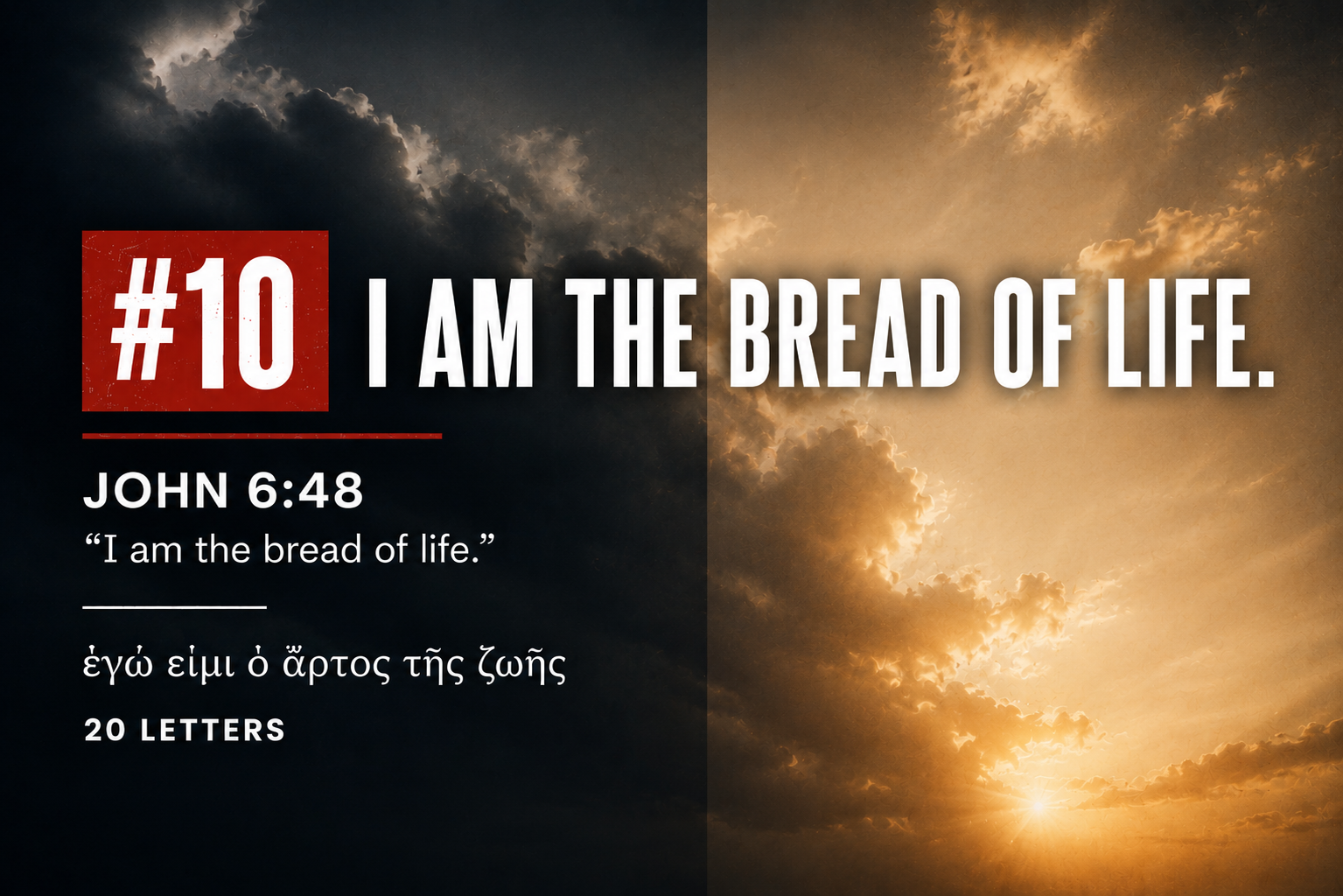
Jesus had just fed thousands of people with a few loaves and fish. The crowd wanted more bread.
Jesus offered them something much bigger.
Himself.
Bread keeps you alive for another day. Jesus says He is the bread that gives life itself.
Twenty letters.
And an enormous claim.
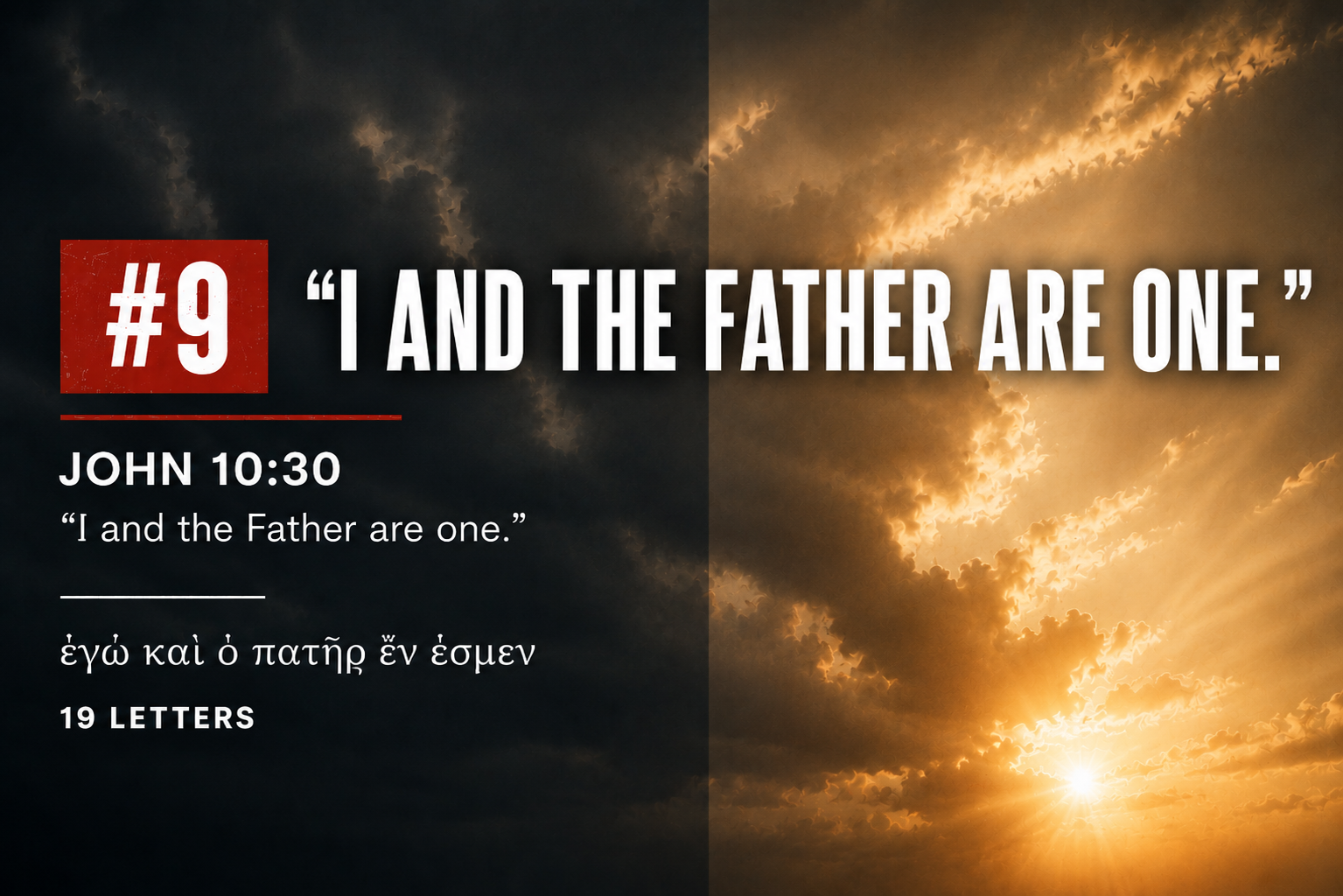
This is one of those verses where the reaction tells you how powerful the words were.
The very next verse says they picked up stones.
They understood that Jesus wasn’t making a casual statement about agreeing with God. He was saying something extraordinary about His relationship with the Father.
Nineteen Greek letters were enough to start a riot.

The word quench gives us a picture.
Fire.
You can feed a fire, or you can put it out.
Paul warns us not to become the kind of people who continually resist what the Spirit of God is doing.
It is one of the shortest commands in the New Testament.
And one of the easiest to violate.
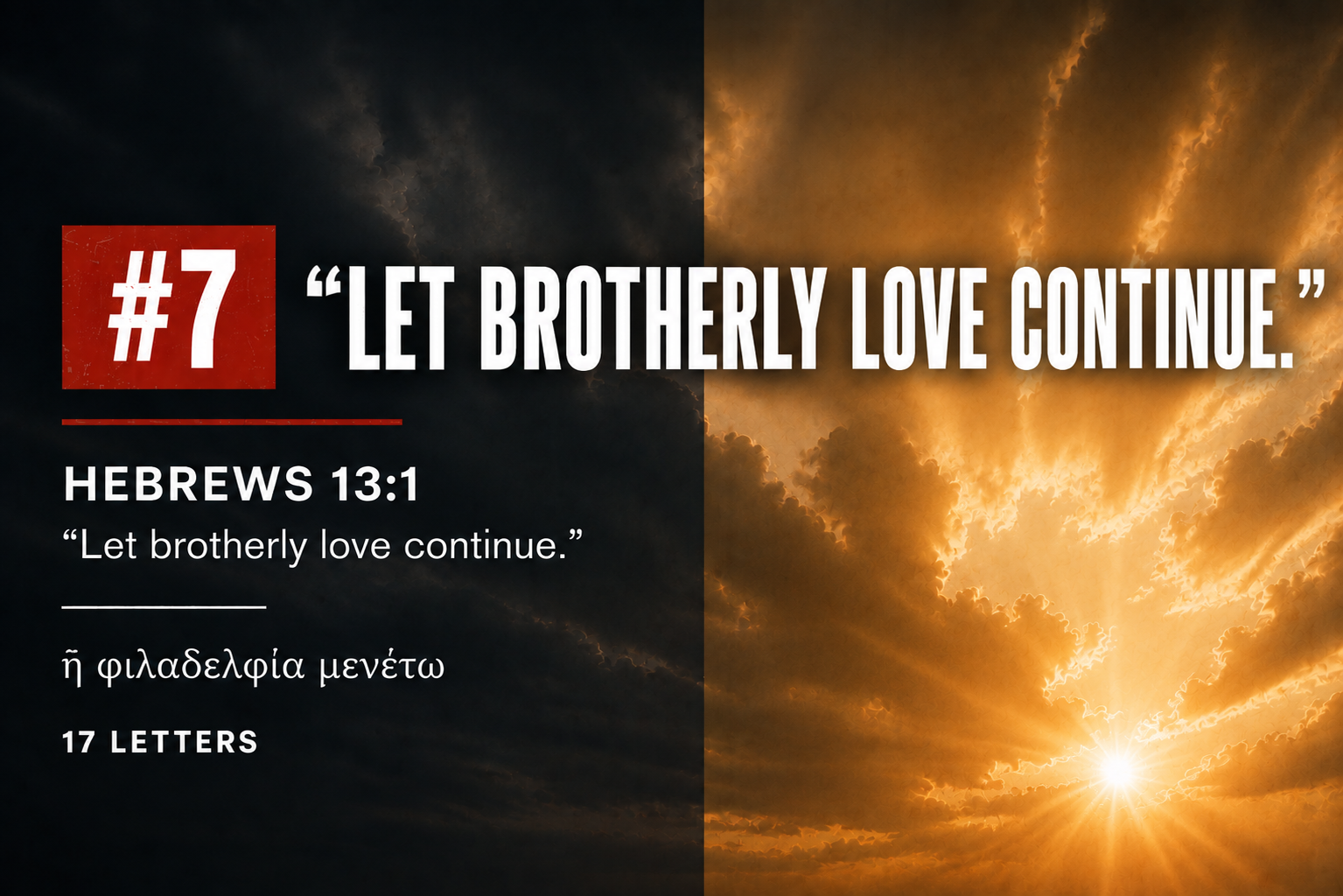
Notice the last word:
continue.
Apparently, loving people once isn’t the hard part.
Continuing to love them is.
Hebrews doesn’t simply tell Christians to love one another when things are easy, when everybody agrees, or when everyone behaves the way they should.
Keep loving.
Sometimes the shortest commands take a lifetime to obey.
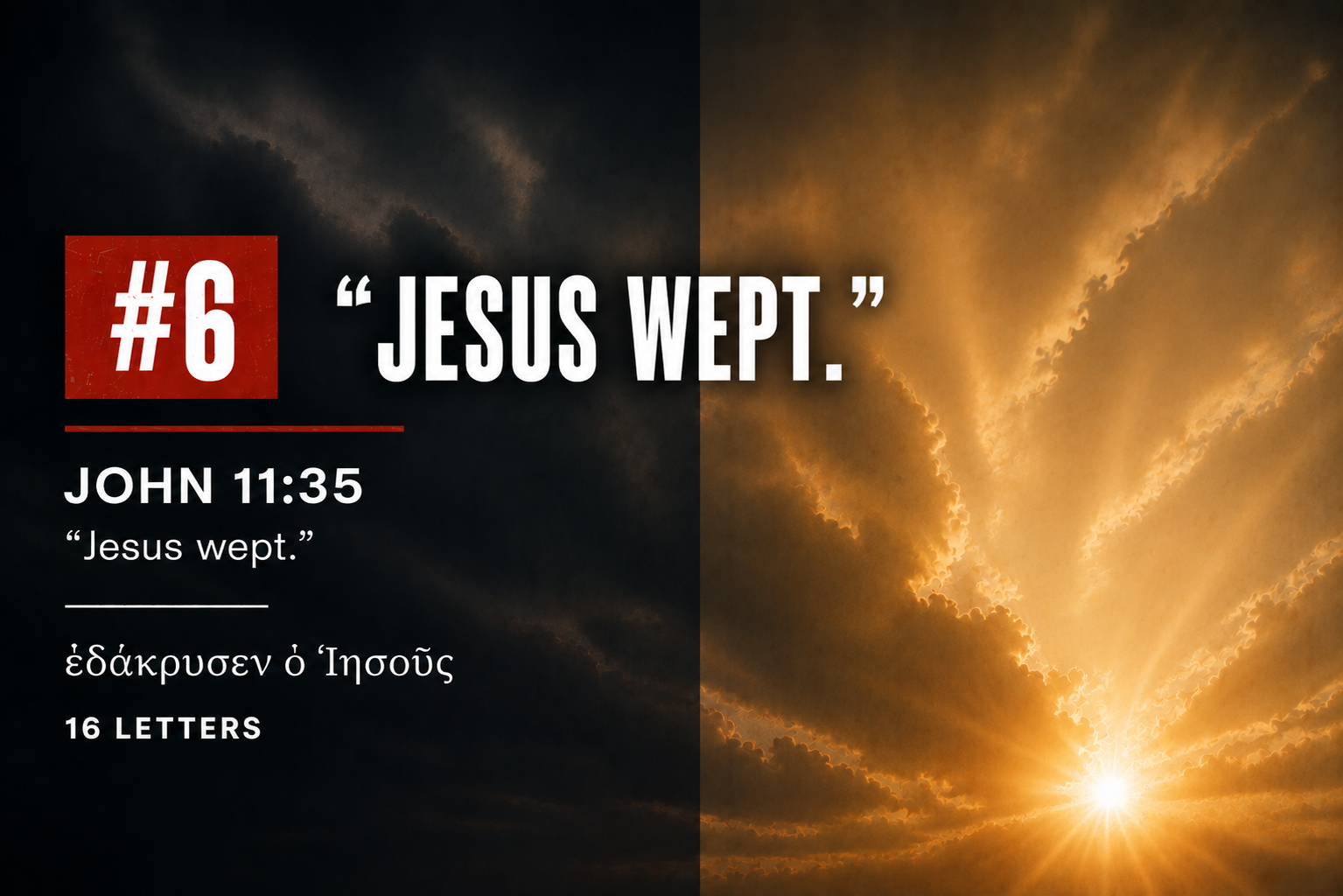
Finally, the famous one.
Lazarus is dead. Martha is grieving. Mary is crying. The people around them are weeping.
And Jesus knows exactly what He is about to do.
He knows Lazarus is about to walk out of that tomb.
And still—
Jesus wept.
Maybe that’s what makes these two words so powerful.
Jesus knew resurrection was coming and still entered into their grief.
Faith doesn’t make tears unnecessary.
And knowing how the story ends doesn’t mean the pain in the middle isn’t real.
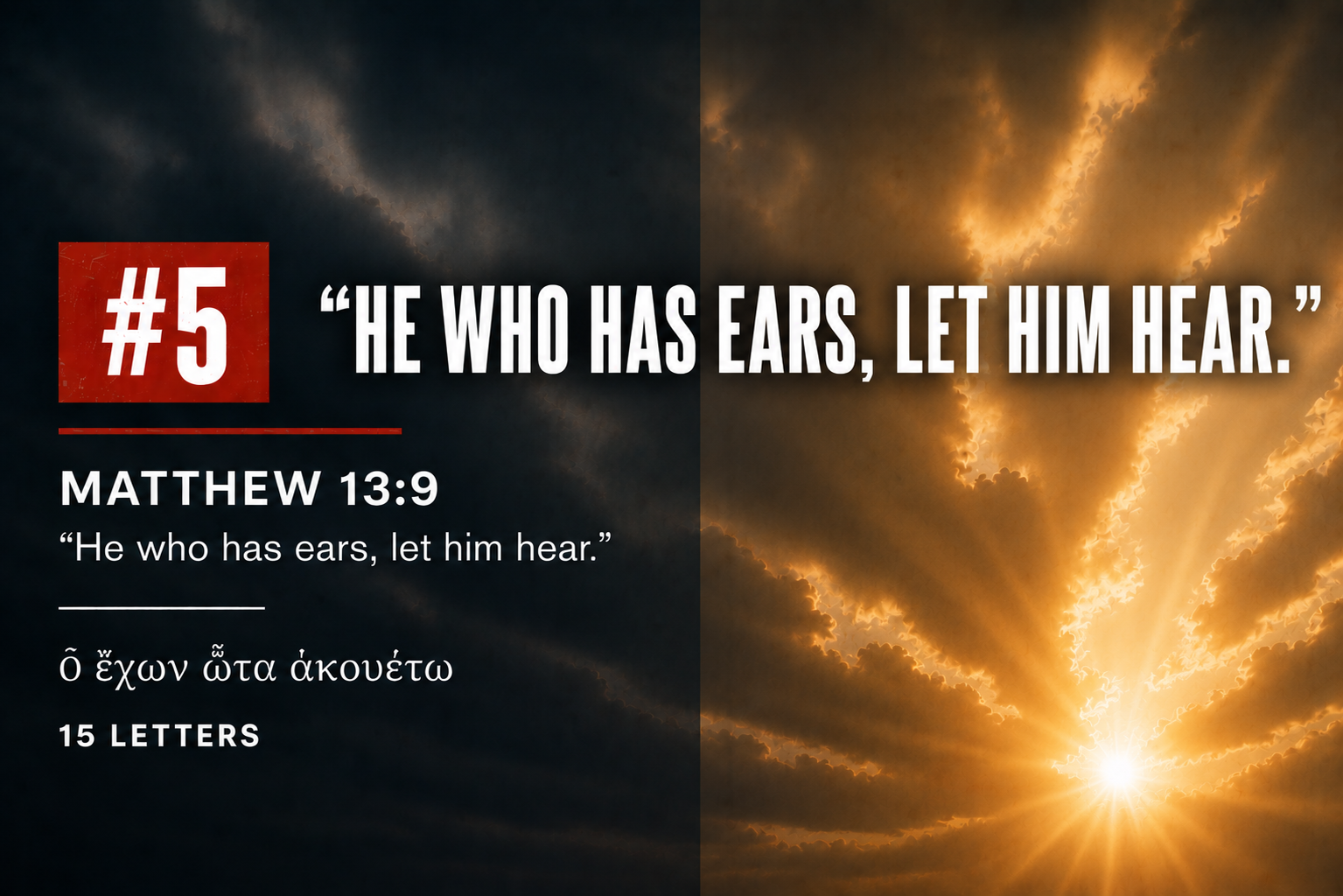
Jesus has just told the parable of the sower.
Seed falls everywhere.
But it doesn’t produce the same result everywhere.
The problem isn’t the seed.
It’s the soil.
So Jesus ends the story with a challenge: Don’t merely hear the sound of what I’m saying.
Hear it.
There is a difference between hearing words and allowing those words to change you.
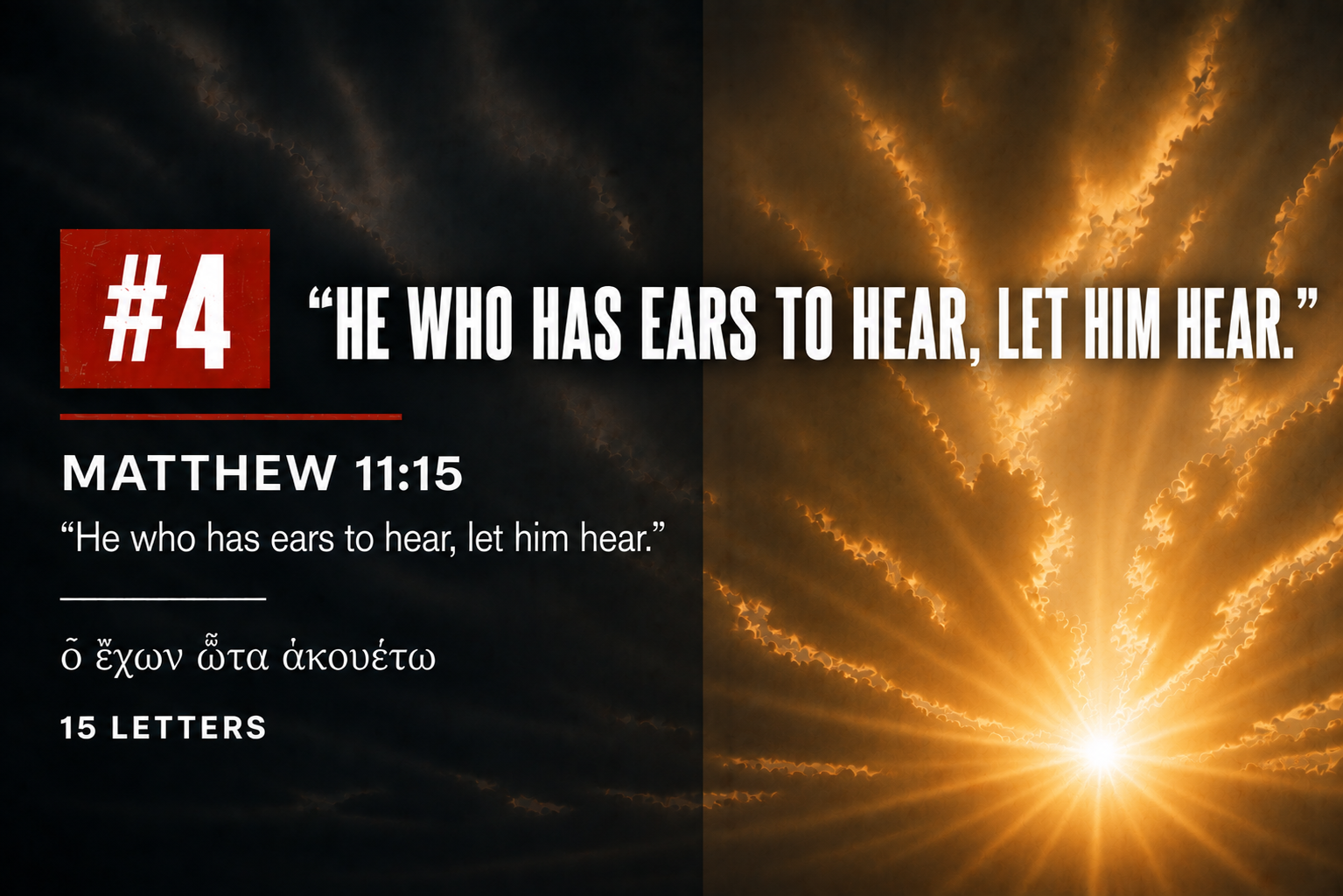
The Greek wording is the same short challenge we find in Matthew 13:9.
But here Jesus has been talking about John the Baptist and what God is doing right in front of the people.
They can see it.
They can hear it.
But will they recognize it?
Sometimes God isn’t silent.
Sometimes we just aren’t listening.
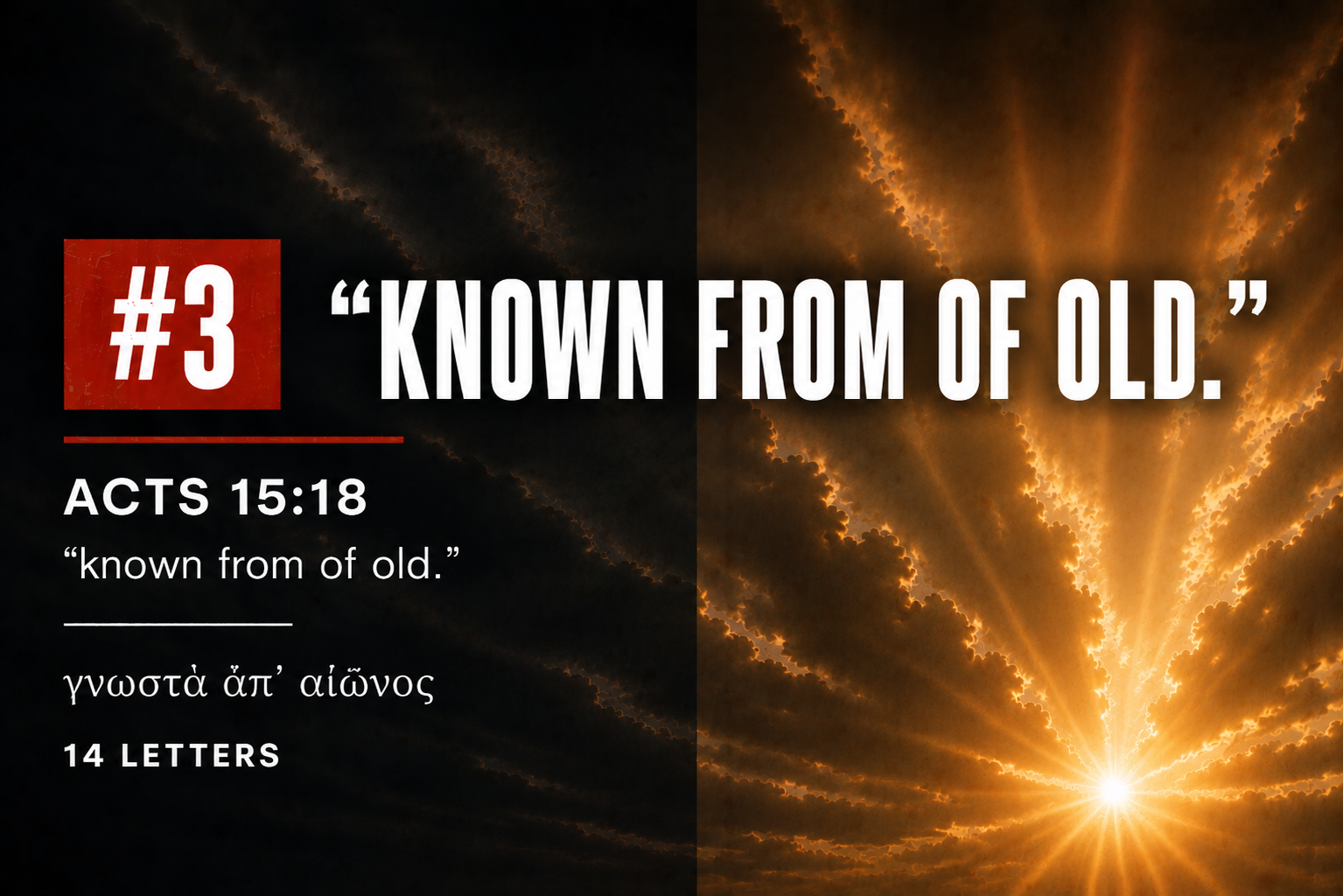
This little phrase comes in the middle of one of the biggest debates in the early church.
Gentiles are coming to Jesus.
And now everyone has to figure out what that means.
James reaches back to the prophets and reminds them that none of this caught God by surprise.
What seems new to them isn’t new to God.
What they are trying to understand in the moment has been known by God from long ago.
That’s not a bad thing to remember when life catches us by surprise.
God isn’t surprised just because we are.
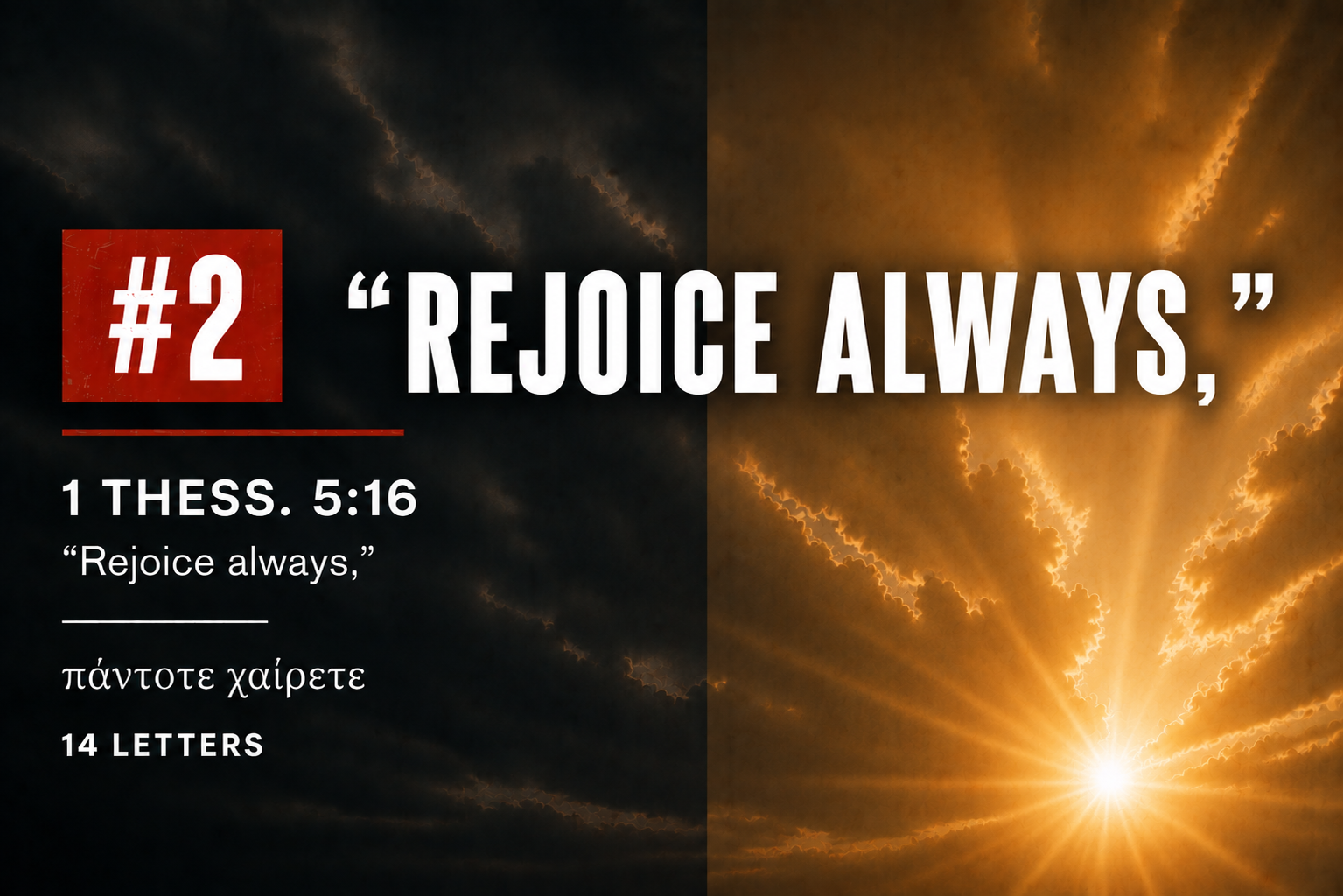
Two words in English.
Two words in Greek.
And somehow Paul manages to give us something that may take an entire lifetime to learn.
Not rejoice when everything goes right.
Not rejoice when you feel like it.
Always.
That doesn’t mean pretending pain doesn’t hurt or acting happy when you’re grieving.
Christian joy isn’t the denial of pain.
It’s the conviction that pain doesn’t get the final word.
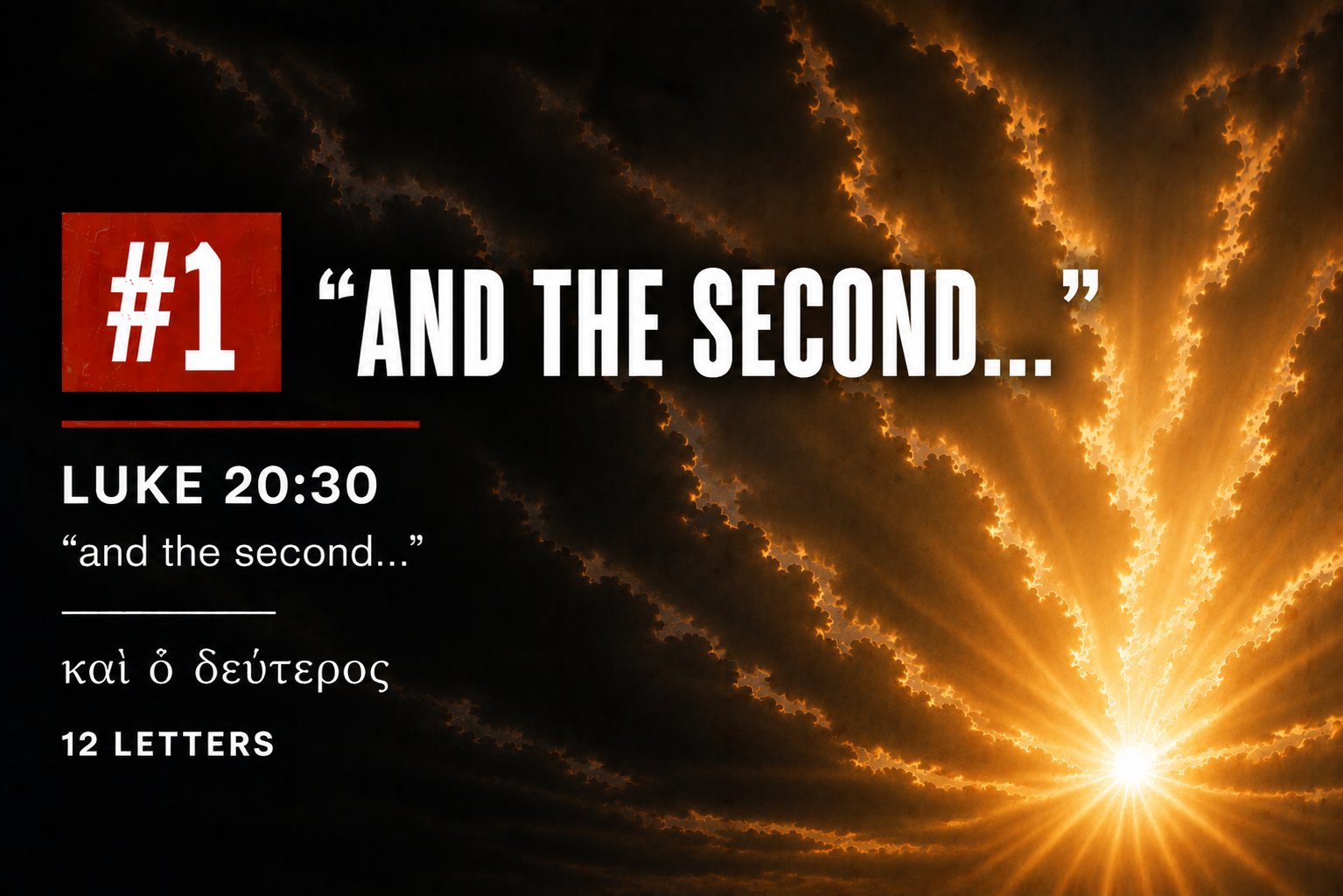
That’s it.
Not exactly the verse you’re going to see printed on a coffee mug.
And admittedly, by itself, it doesn’t sound particularly profound.
That’s because it isn’t supposed to stand by itself.
Jesus is being questioned by the Sadducees, who don’t believe in the resurrection. They give Him an elaborate hypothetical situation about a woman whose husband dies. According to the law, she marries his brother.
Then he dies.
“And the second…”
Then the next brother.
And the next.
Seven brothers eventually marry the same woman.
Their question is meant to make belief in resurrection sound ridiculous: If there really is a resurrection, whose wife will she be?
So the shortest verse in the Greek New Testament is actually a fragment of a much larger conversation.
And maybe that’s fitting.
Short Verses. Big Truths.
There’s something fascinating about this list.
The shortest verse is almost meaningless without the verses around it.
Others contain truths Christians have spent two thousand years thinking about.
Rejoice always.
Do not quench the Spirit.
Let brotherly love continue.
Jesus wept.
I and the Father are one.
I am the bread of life.
Twelve letters can move a story along.
Fourteen letters can tell you how to live.
Sixteen letters can show you the compassion of Jesus.
Nineteen letters can make a claim about the identity of Christ so staggering that the people who heard it reached for stones.
That’s one of the beautiful things about Scripture.
Sometimes God gives us chapters.
Sometimes He gives us stories.
Sometimes He gives us long arguments that require careful thought and study.
And sometimes—
He only needs a few words.


