Lessons from Antiochus IV
History rarely explodes overnight.
It erodes.
When we study Antiochus IV Epiphanes, we are not studying the Antichrist. Daniel 8 was fulfilled in the Greek period. Antiochus (an-TIE-uh-kes) was a real ruler in a real empire who committed real atrocities.
But while Daniel 8 belongs to history, Antiochus teaches us something unsettling about the future:
Tyrants do not appear in a vacuum.
They arrive in cultures already prepared for them.
And that pattern matters.
The Slow Drift Before the Storm
Before Antiochus ever desecrated the temple, something else had already happened.
Greek culture had spread.
Jewish leaders had begun adopting Greek customs.
Political compromise had weakened spiritual conviction.
Influential families pursued status over faithfulness.
By the time Antiochus outlawed Jewish practices and set up pagan worship in the temple, the soil had already been tilled.
Resistance was possible—but it was harder because compromise had already taken root.
Antiochus did not create the drift.
He exploited it.
The Pattern of Conditioning
When you trace the story historically, a pattern emerges:
- Cultural assimilation – Foreign values slowly become normal.
- Spiritual compromise – Convictions soften for the sake of influence.
- Political centralization – Power consolidates in fewer hands.
- Moral confusion – What was once unthinkable becomes tolerated.
- Suppression of dissent – Those who resist are labeled disruptive.
By the time open persecution begins, most people have already adjusted.
That’s what happened under Antiochus.
And Scripture warns that something similar will happen again.
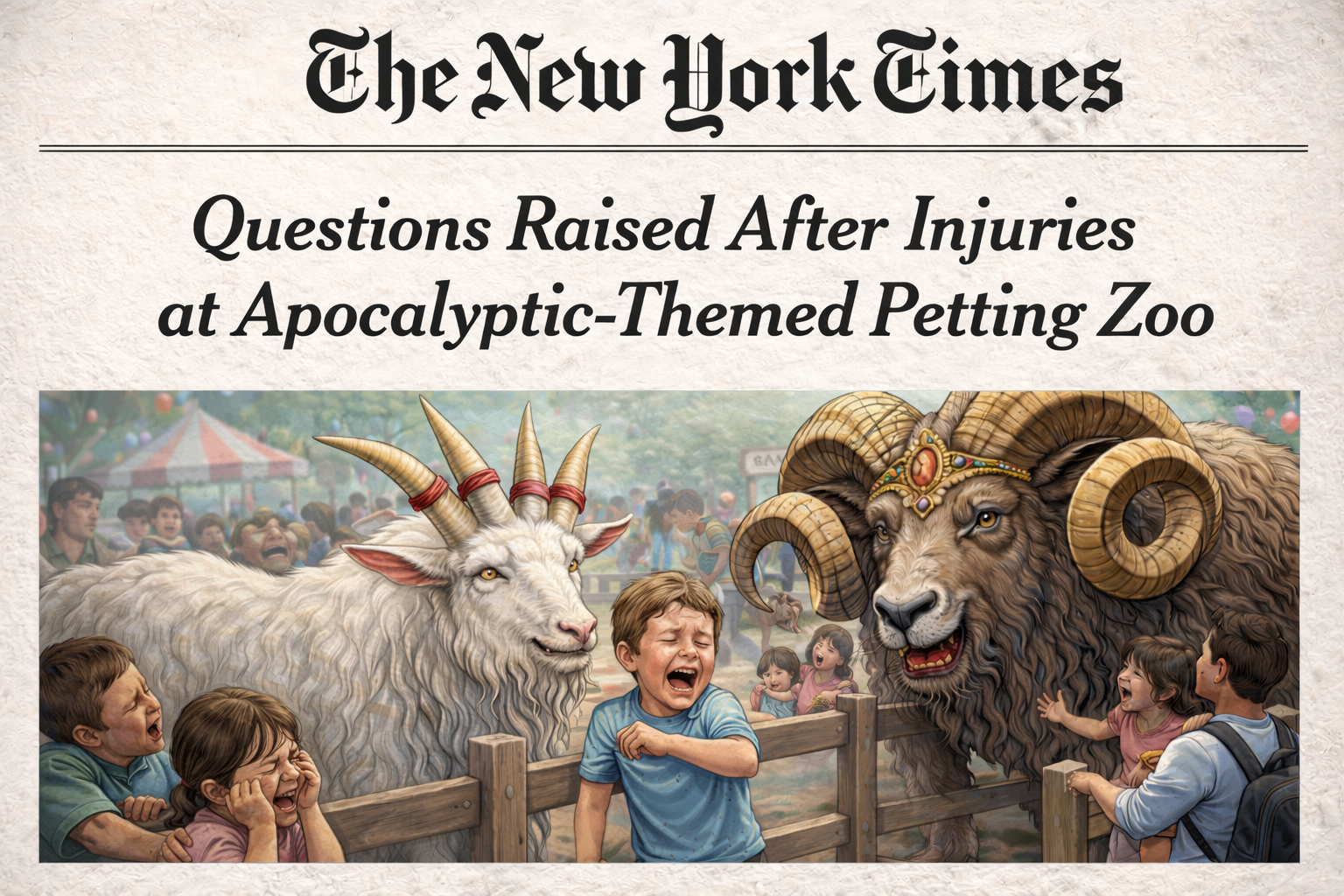
Stop Treating the Beasts Like a Petting Zoo
In Book of Revelation 13, the final world ruler is described as a beast.
Not a mascot.
Not a misunderstood creature.
A beast.
And yet one of the most dangerous habits believers can develop is this:
we grow comfortable around what Scripture calls dangerous.
We admire what we should discern.
We platform what we should question.
We normalize what we should resist.
You don’t prepare for tyranny by openly cheering for it.
You prepare for it by slowly becoming fascinated with its power.
A culture doesn’t wake up one morning and decide to worship the beast.
It first learns to enjoy the spectacle.
It treats the beasts like a petting zoo—safe, entertaining, manageable.
But beasts are never meant to be domesticated.
Antiochus did not force his way into a spiritually alert society.
He stepped into one already intrigued by foreign influence and impressed with imperial strength.
When awe replaces discernment, surrender follows quickly.

Revelation’s Warning
Revelation says:
“The whole world was filled with wonder and followed the beast.”
Wonder precedes worship.
Fascination precedes allegiance.
The Antichrist will not invent a new strategy.
He will step into a world already conditioned to equate power with salvation and control with peace.
Why Antiochus Still Matters
Antiochus shows us how fragile spiritual cultures become when vigilance fades.
The temple was not desecrated on the first day of Greek influence.
It happened after years of drift.
That is the sobering lesson.
The real danger is not merely the rise of a tyrant.
The real danger is the gradual reshaping of hearts long before he appears.
A Call to Awareness
This is not a call to panic.
It is a call to clarity.
When worship becomes casual, it becomes replaceable.
When conviction becomes negotiable, it becomes disposable.
When believers grow comfortable around what Scripture calls beastly, they should not be surprised when the beast eventually demands allegiance.
Antiochus rose in a conditioned culture.
The Antichrist will rise in one too.
The question is not simply, “When will he come?”
The deeper question is:
Are we cultivating discernment—or fascination?
The Encouraging Truth
The rise of Antiochus did not end the story.
God preserved a faithful remnant.
The temple was cleansed.
Worship was restored.
And history moved forward under God’s sovereign hand.
The same will be true in the future.
No matter how prepared the world becomes for rebellion, Christ will return.
No matter how centralized power becomes, it will be broken.
No matter how dark the hour, it will not be permanent.
Tyrants may rise.
But they do not reign forever.
Christ does.

 phillipbrande.com